In today’s fast-paced technological landscape, energy efficiency and reliable power management have become critical for businesses, industries, and even households. Digital power solutions are emerging as the cornerstone of this transformation, offering innovative ways to monitor, control, and optimize power usage. This article explores what digital power solutions are, their benefits, applications, and why they are crucial for the modern world.
What Are Digital Power Solutions?
Digital power solutions refer to the integration of digital technologies with traditional power management systems to enhance efficiency, control, and reliability. Unlike conventional analog power systems, digital power solutions leverage microcontrollers, digital signal processors, and software-driven interfaces to optimize energy usage and manage power distribution more intelligently.
At the core, these solutions combine hardware and software to provide features like real-time monitoring, predictive maintenance, adaptive control, and automated reporting. By utilizing digital feedback mechanisms, these systems can dynamically adjust power delivery based on demand, reducing wastage and improving overall efficiency.


See also: How to Choose the Right Roofing Solution for Your Home
Key Features of Digital Power Solutions
- Real-Time Monitoring: Digital power solutions allow continuous monitoring of voltage, current, power consumption, and efficiency metrics. This enables quick detection of anomalies and prevents potential failures.
- Automated Control: These systems can automatically adjust power output, optimize load distribution, and prevent overloads, ensuring reliable energy supply.
- Predictive Maintenance: By analyzing historical data, digital power solutions can predict equipment failure and suggest timely maintenance, reducing downtime.
- Energy Optimization: They offer insights into energy consumption patterns, allowing organizations to reduce energy costs and environmental impact.
- Integration with Smart Grids: Digital power solutions can seamlessly integrate with smart grids, enabling better coordination between power generation, storage, and consumption.
Benefits of Digital Power Solutions
- Enhanced Efficiency: Digital control ensures that power is distributed and utilized optimally, reducing losses and maximizing output.
- Cost Savings: By monitoring consumption patterns and reducing energy wastage, organizations can significantly cut operational costs.
- Reliability: Predictive maintenance and automated adjustments reduce the risk of outages or equipment failure.
- Scalability: These solutions can easily adapt to different scales, from small commercial setups to large industrial plants.
- Sustainability: Optimized energy usage contributes to environmental sustainability by lowering carbon emissions.
Applications of Digital Power Solutions
- Industrial Automation: Factories and manufacturing plants use digital power solutions to maintain stable power supply for critical machinery and reduce energy wastage.
- Data Centers: With massive power demands, data centers rely on digital power systems to ensure uninterrupted operation and efficient energy use.
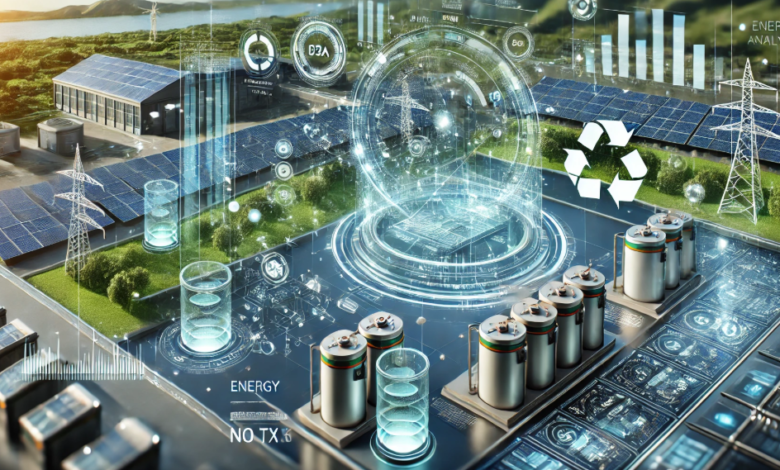
- Renewable Energy Systems: Solar and wind energy installations benefit from digital power solutions to manage variable energy input and storage.
- Commercial Buildings: Smart building management systems integrate digital power solutions to control lighting, HVAC, and other electrical systems efficiently.
- Consumer Electronics: Modern electronics, including computers and electric vehicles, utilize digital power solutions for better battery management and performance.
Frequently Asked Questions (FAQs)
Q1: How do digital power solutions differ from traditional power systems?
A1: Traditional power systems rely on analog methods to control and distribute power, whereas digital power solutions use software, sensors, and microcontrollers for precise control, monitoring, and optimization.
Q2: Can digital power solutions reduce electricity bills?
A2: Yes, by monitoring energy usage and optimizing power delivery, these systems reduce wastage, leading to lower energy costs.
Q3: Are digital power solutions suitable for small businesses?
A3: Absolutely. They are scalable and can be tailored to small commercial setups as well as large industrial plants.
Q4: Do digital power solutions support renewable energy sources?
A4: Yes, they can efficiently manage variable energy inputs from solar, wind, and other renewable sources, ensuring stable power supply and optimal energy storage.
Q5: What is the lifespan of digital power solutions?
A5: With proper maintenance and updates, digital power systems can last for several years, providing consistent performance and reliability.
Conclusion
Digital power solutions are transforming the way we manage energy in industries, commercial establishments, and households. By integrating digital intelligence into power systems, these solutions offer enhanced efficiency, cost savings, reliability, and sustainability. As energy demands continue to rise and the need for smart energy management grows, adopting digital power solutions is no longer an option—it is a necessity for a modern, energy-conscious future. Investing in these technologies today ensures optimized performance, reduced operational costs, and a greener tomorrow.